
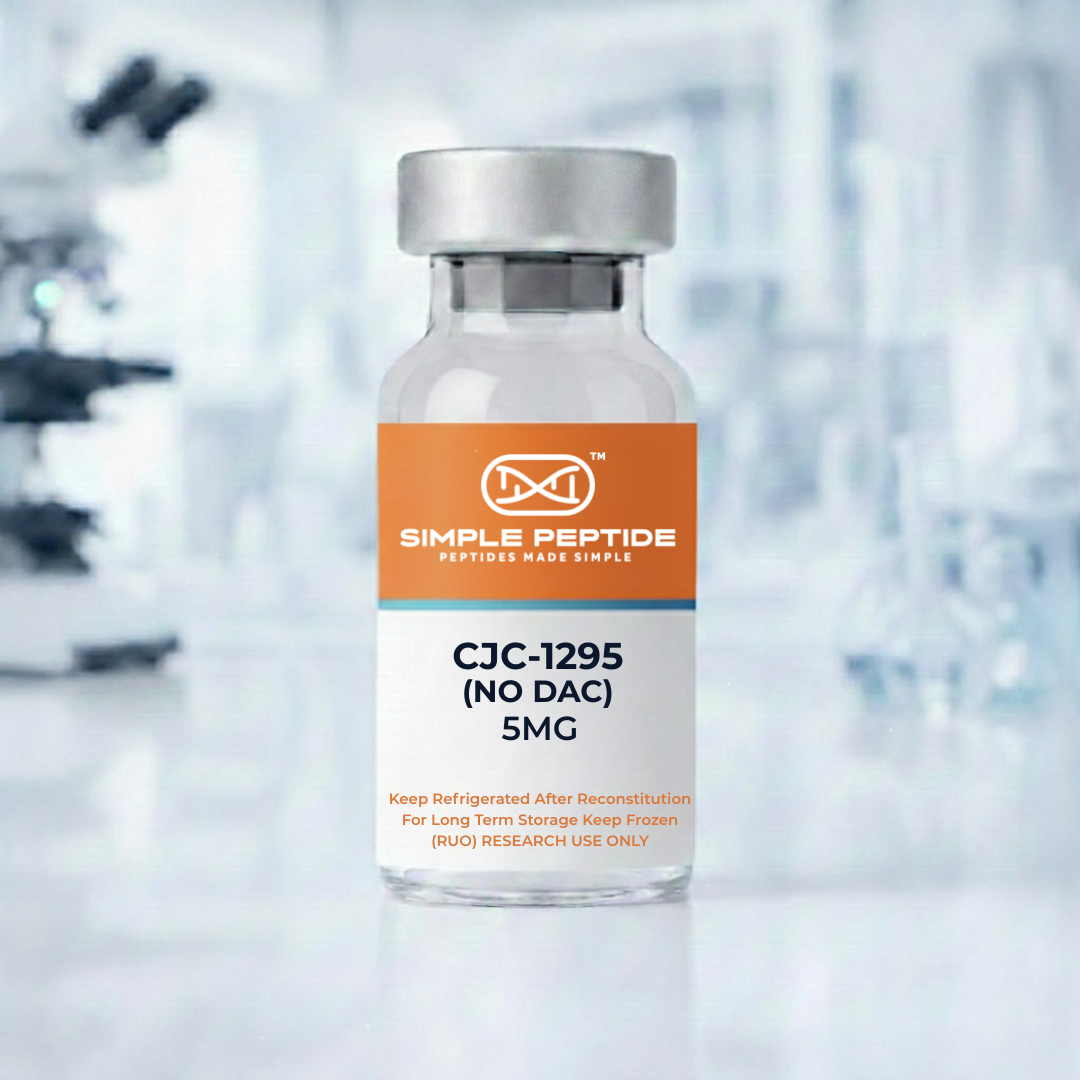



CJC-1295 (no DAC) 5MG

CJC-1295 (no DAC) 5MG

$35.00

CJC-1295 (No DAC) 5MG is a synthetic research peptide intended for controlled laboratory use. Researchers work with this non-DAC peptide in in vitro settings where timing, structure, and short-duration signaling observation are central to study design.

  • Non-DAC research peptide selected for short-acting signaling studies
  • Used in laboratory research examining GHRH-related peptide behavior
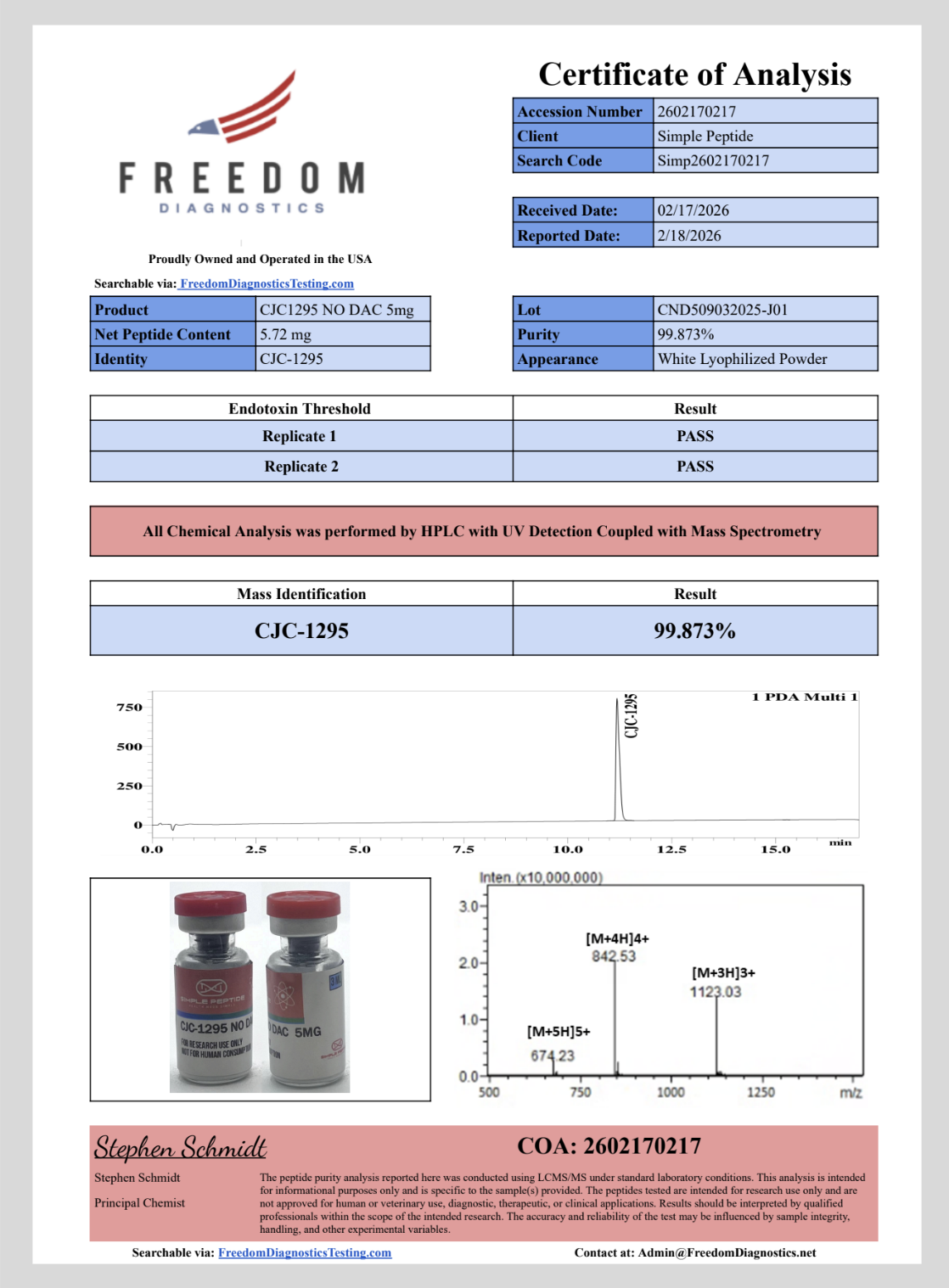
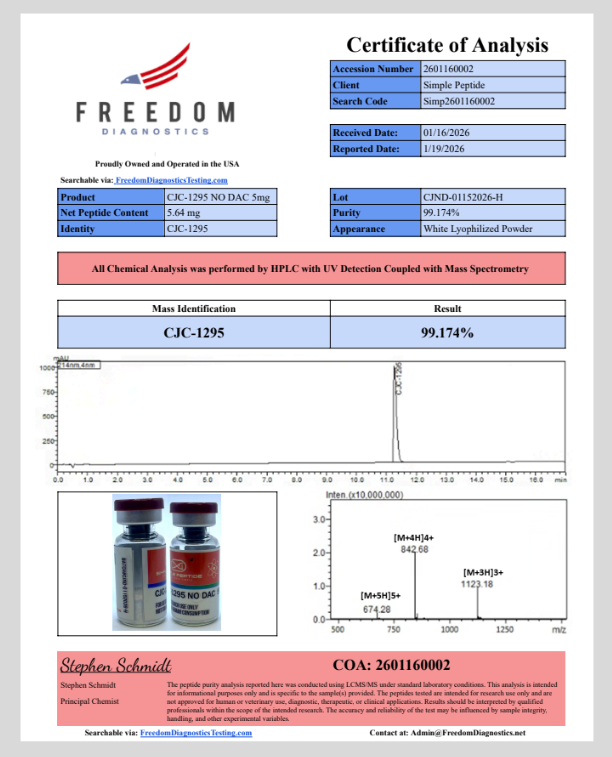
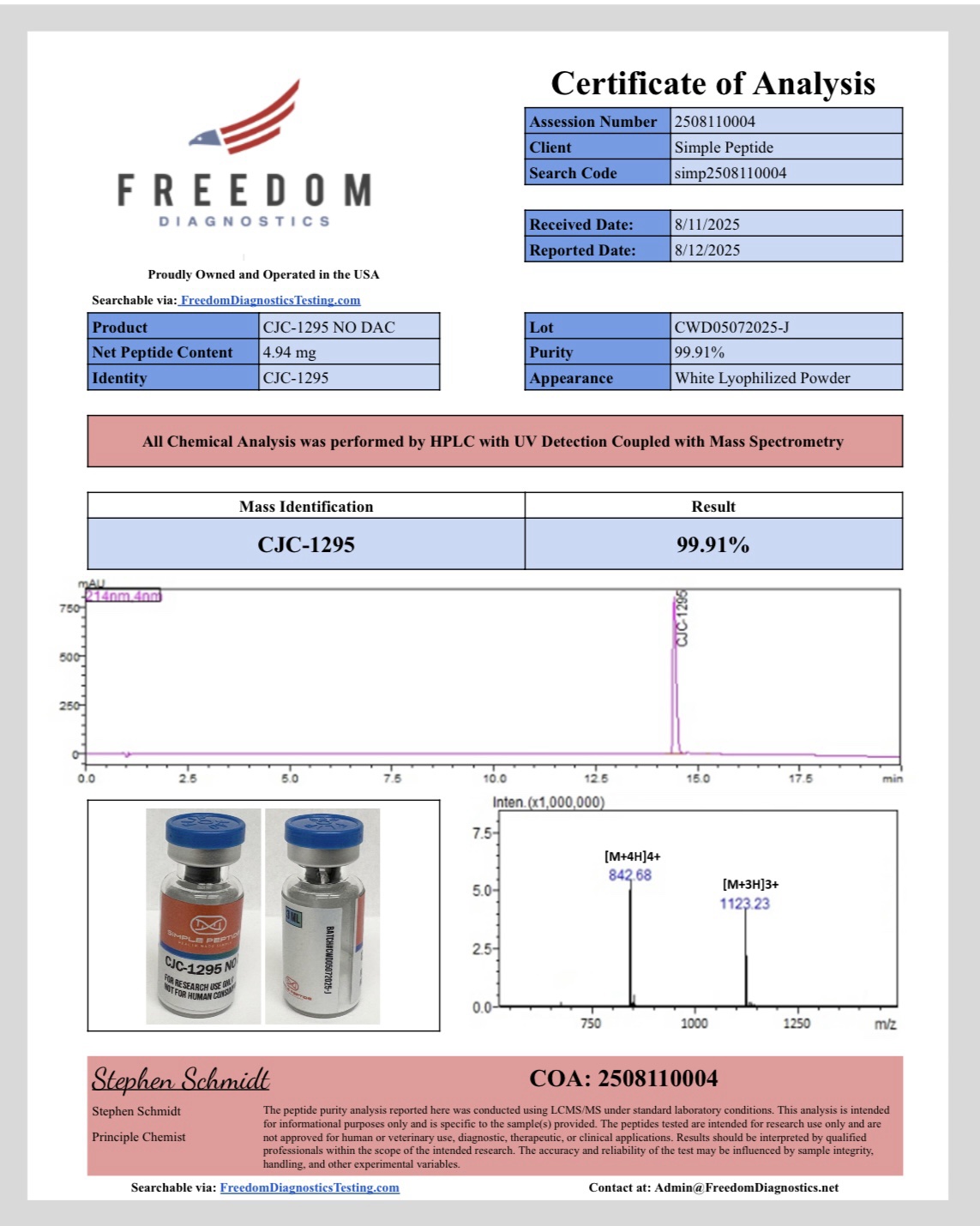
  • Supplied in freeze-dried form with verified quality and batch documentation


Availability: In stock

Quantity Discounted Price
5 - 9 $33.25
10 + $31.50
- +

US-Based Support

US-based support available Monday - Friday 7-6pm ET

Volume Discounts

Volume Discounts available on select products

Verified Quality

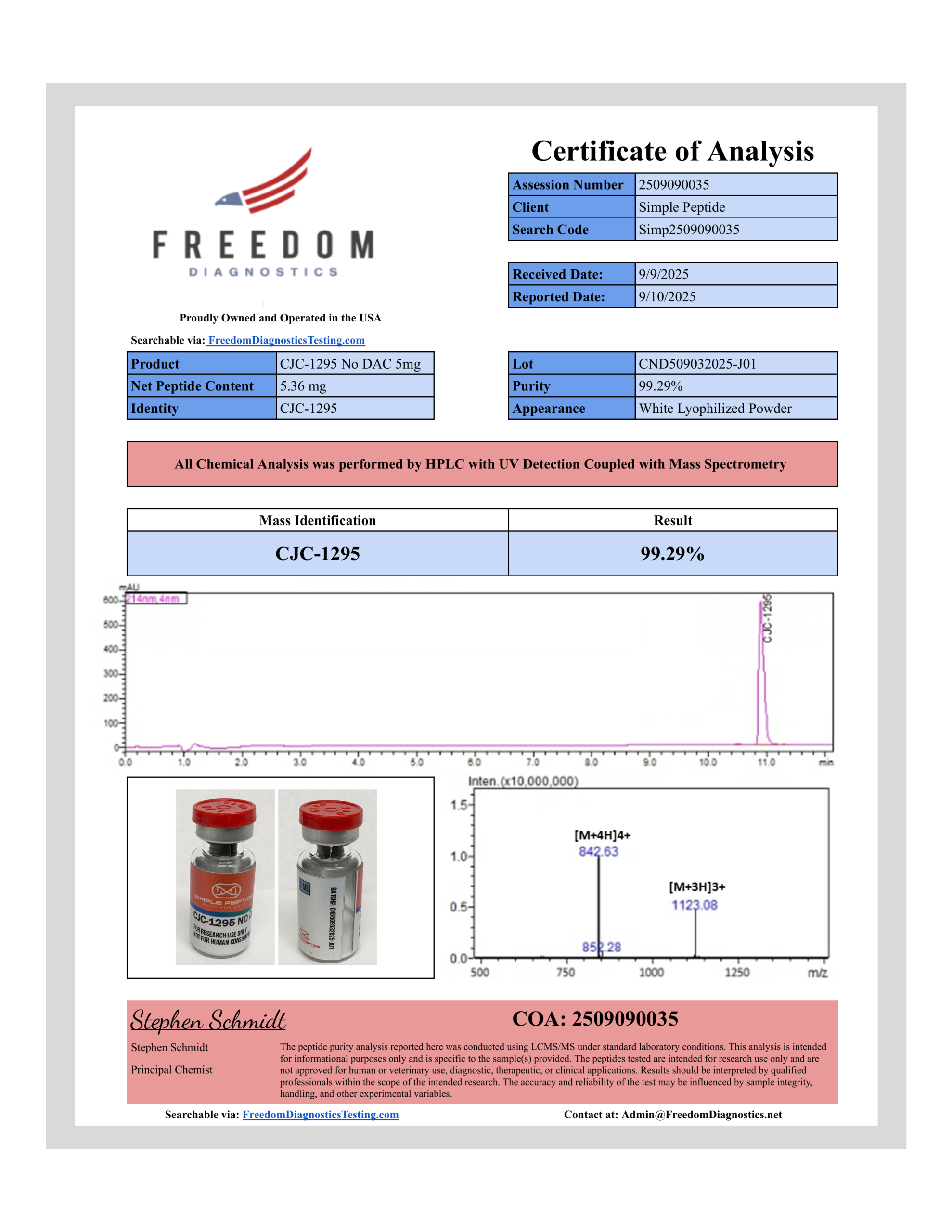
Supported by a Certificate of Analysis.

Research Focused

Intended for laboratory research applications.

CJC-1295 (No DAC) 5MG for Laboratory Research

CJC-1295 (No DAC) 5MG is a synthetic research peptide used in controlled laboratory settings. Researchers study this peptide as a modified form of growth hormone-releasing hormone (GHRH) to examine signaling activity at the molecular level in non-clinical research models. Because this version does not include a Drug Affinity Complex, it shows a shorter activity window in laboratory studies compared to DAC-based forms.

In research environments, scientists work with this non-DAC peptide to observe signaling patterns over short timeframes. As a result, laboratories include this compound in studies where timing and controlled observation periods are important.

Research Applications for This Non-DAC Peptide

In laboratory research, scientists use this peptide to study GHRH-related signaling pathways under controlled conditions. These studies often focus on receptor interaction, peptide stability, and signaling response within limited observation windows. For this reason, the non-DAC format supports research designs that compare short-acting peptide behavior with longer-acting alternatives.

Researchers value this research peptide for its clear structure and consistent composition. Its formulation allows laboratories to examine signaling activity without extended binding effects. This supports studies that rely on precision, repeatable timing, and controlled conditions.

CJC-1295 Peptide Formulation and Laboratory Handling

This research peptide is supplied as a freeze-dried powder for laboratory preparation. Researchers choose this format to support stability and flexible handling within research protocols. Lyophilized preparation also helps protect the material during storage and transport.

Before experimental use, laboratories reconstitute the powder according to internal procedures using appropriate research-grade solvents. Careful handling helps maintain peptide quality and supports reliable results across repeated studies.

For storage, laboratories should keep the material in a cool, dry place away from direct light. Proper storage conditions help preserve stability throughout the research period.

Quality Standards for Research Peptides

Each batch meets pharmaceutical-grade quality standards to support consistency and reliability in research supply. Independent testing and batch records allow researchers to review material details before use. Each shipment includes a Certificate of Analysis that supports batch verification and material clarity.


No research information available for this product.

SP CJC NO 1:16

Peptide Research Overview

Science and Lab Equipment

Peptides are short chains of amino acids studied for their role in cellular signaling and molecular interactions. In research settings, they are commonly used to explore biological pathways and structure–function relationships.

Across scientific disciplines, peptide research supports advances in biochemistry and molecular biology. Their precision and adaptability make peptides essential tools in modern laboratory research.

Science and Lab Equipment

Key Benefits of Peptides in Research

Research Books and papers
  • Support precise investigation of cellular signaling pathways

  • Enable targeted structure–function research at the molecular level

  • Offer high specificity for controlled experimental design

  • Adapt easily across a wide range of research applications

  • Aid in studying protein interactions and biological responses

  • Allow consistent and repeatable laboratory testing

  • Integrate well with modern analytical and research methods

  • Serve as foundational tools in biochemical and molecular research

Research Books and papers

Advancing Scientific Research with Peptides

Peptides continue to serve as essential components in modern research due to their flexibility, precision, and well-defined structures. In laboratory settings, researchers rely on peptides to examine biological mechanisms, evaluate molecular interactions, and refine experimental models with a high level of control. Their scalable nature and compatibility with advanced analytical techniques make peptides valuable across both foundational studies and ongoing research development, supporting consistent, reproducible outcomes in controlled scientific environments.

Frequently Asked Questions

CJC-1295 (no DAC) binds to GHRH receptors on somatotroph cells in the anterior pituitary, triggering intracellular signaling such as increased cyclic AMP (cAMP) that promotes endogenous growth hormone releaser pathways in research models. This receptor interaction is similar to that of endogenous GHRH but without extended systemic retention.

Without the Drug Affinity Complex (DAC), CJC-1295 (no DAC) has a shorter half-life in experimental systems compared with the DAC-modified version. This results in more pulsatile receptor activation rather than prolonged receptor engagement, which is useful in research contexts where shorter signaling bursts are studied.

Activation of the GHRH receptor by CJC-1295 (no DAC) initiates downstream pathways including cAMP/PKA signaling and subsequent peptide-linked hormone axis events. These signaling events influence patterns of growth hormone axis activity and insulin-like growth factor 1 (IGF-1) signaling in controlled research settings.

CJC-1295 (no DAC) is used in in vitro and animal studies to analyze receptor pharmacology, hormone axis activation, and gene expression changes linked to growth hormone regulator pathways. Its short signaling profile makes it a useful tool for studies of pulsatile endocrine dynamics.

CJC-1295 (no DAC) binds to GHRH receptors on somatotroph cells in the anterior pituitary, triggering intracellular signaling such as increased cyclic AMP (cAMP) that promotes endogenous growth hormone releaser pathways in research models. This receptor interaction is similar to that of endogenous GHRH but without extended systemic retention.

CJC-1295 (no DAC) is studied because its precise peptide sequence and receptor target allow researchers to dissect how growth hormone releaser signaling influences downstream biochemical networks. Its defined receptor interaction provides insight into endocrine signaling mechanisms and intracellular pathways tied to peptide-mediated hormone axis regulation.

Research Use Only – Legal Disclaimer

All Simple Peptide products labeled as Research Use Only (RUO) are intended strictly for laboratory, investigational, and scientific research purposes. These materials are not approved by the FDA and are not intended for human or veterinary use, clinical applications, diagnostic procedures, or therapeutic treatment of any kind.

By purchasing or using RUO materials, you acknowledge that they will be handled only within an appropriate research environment by qualified personnel who understand the risks, limitations, and regulatory requirements associated with experimental compounds. Products must not be administered to humans or animals, offered as therapeutic agents, or represented as safe or effective for any medical purpose.

Use of these materials is entirely at your own risk. Simple Peptide assumes no liability for misuse, unsafe handling, improper application, or any regulatory or compliance issues arising from their use.

Scroll to Top